











FAQ
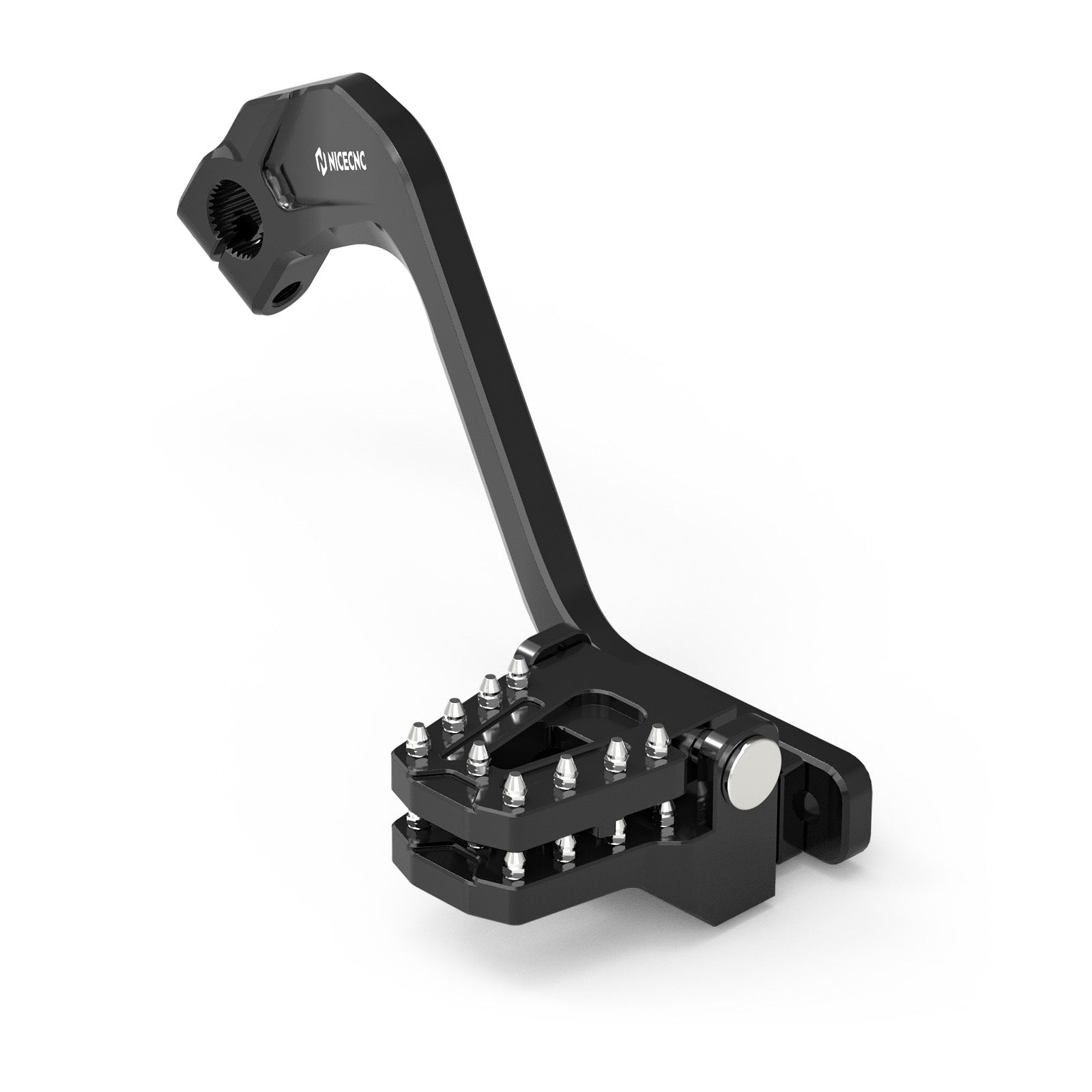
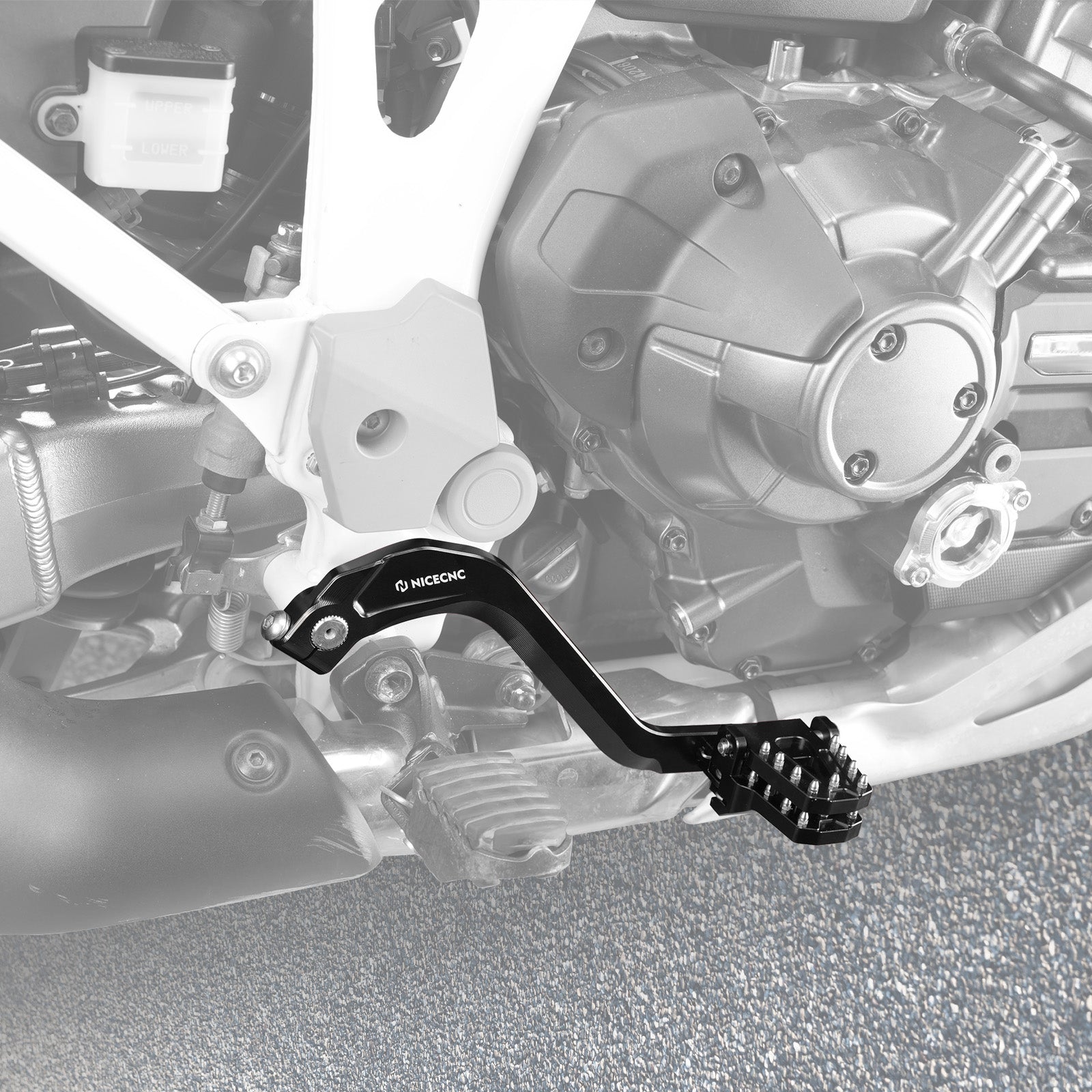
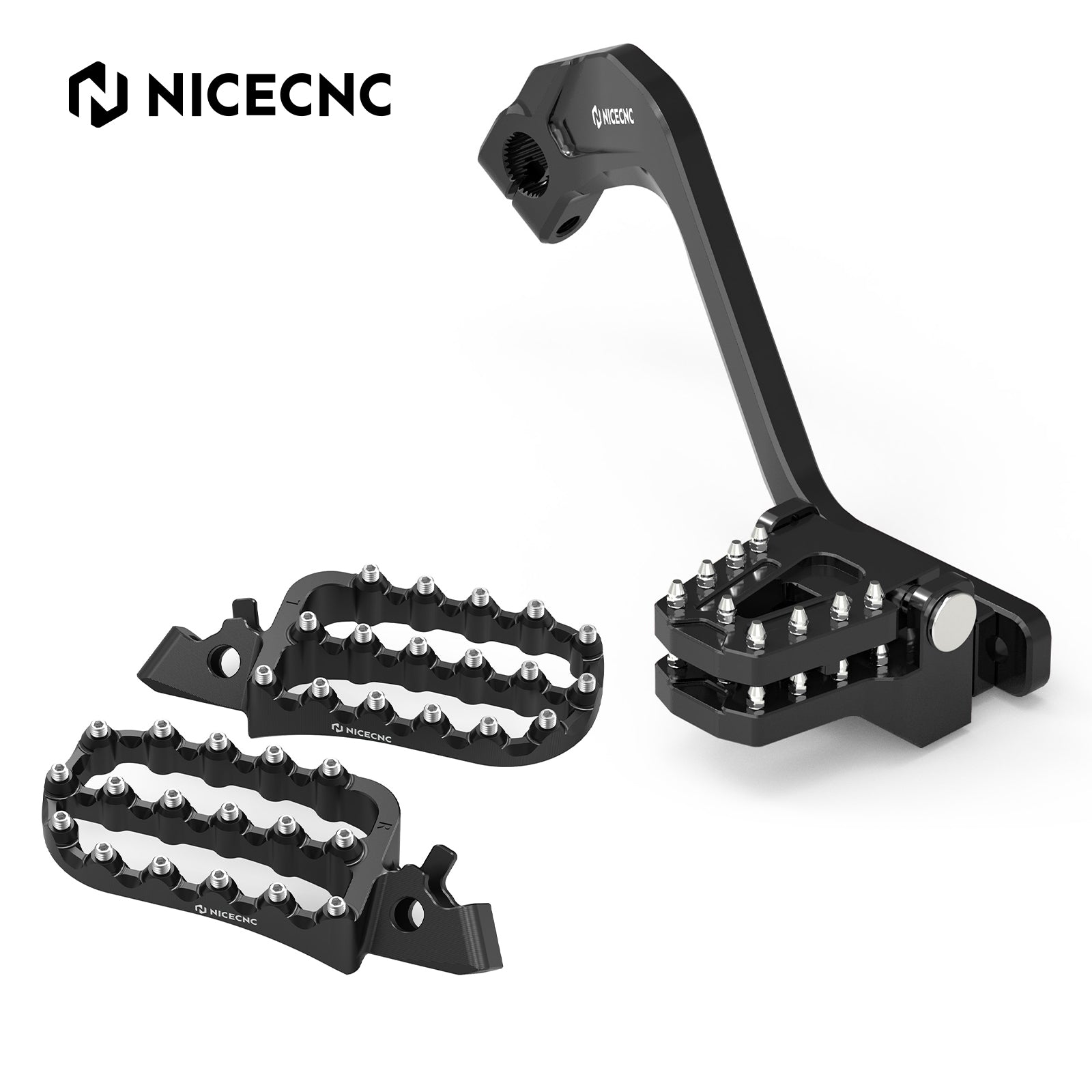
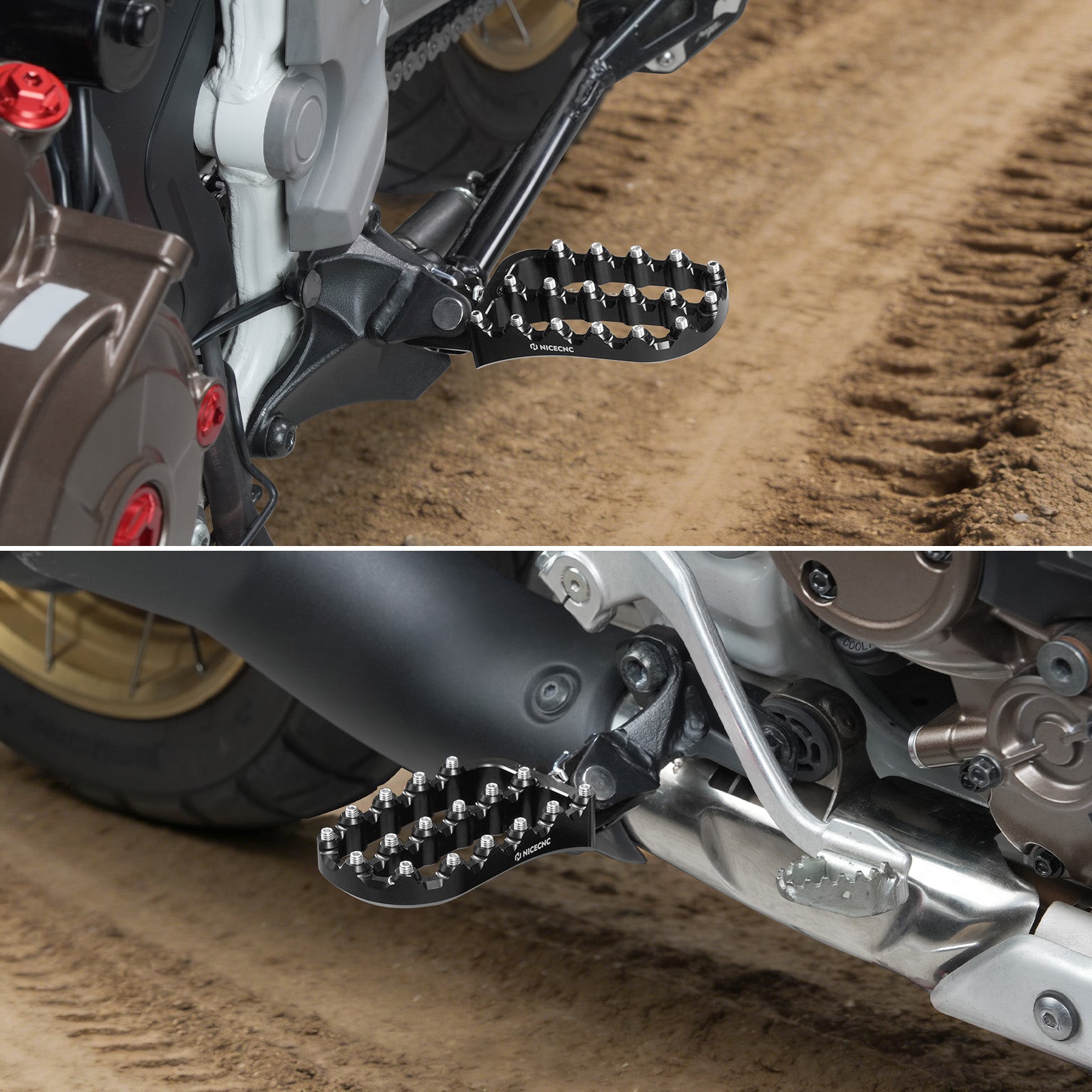
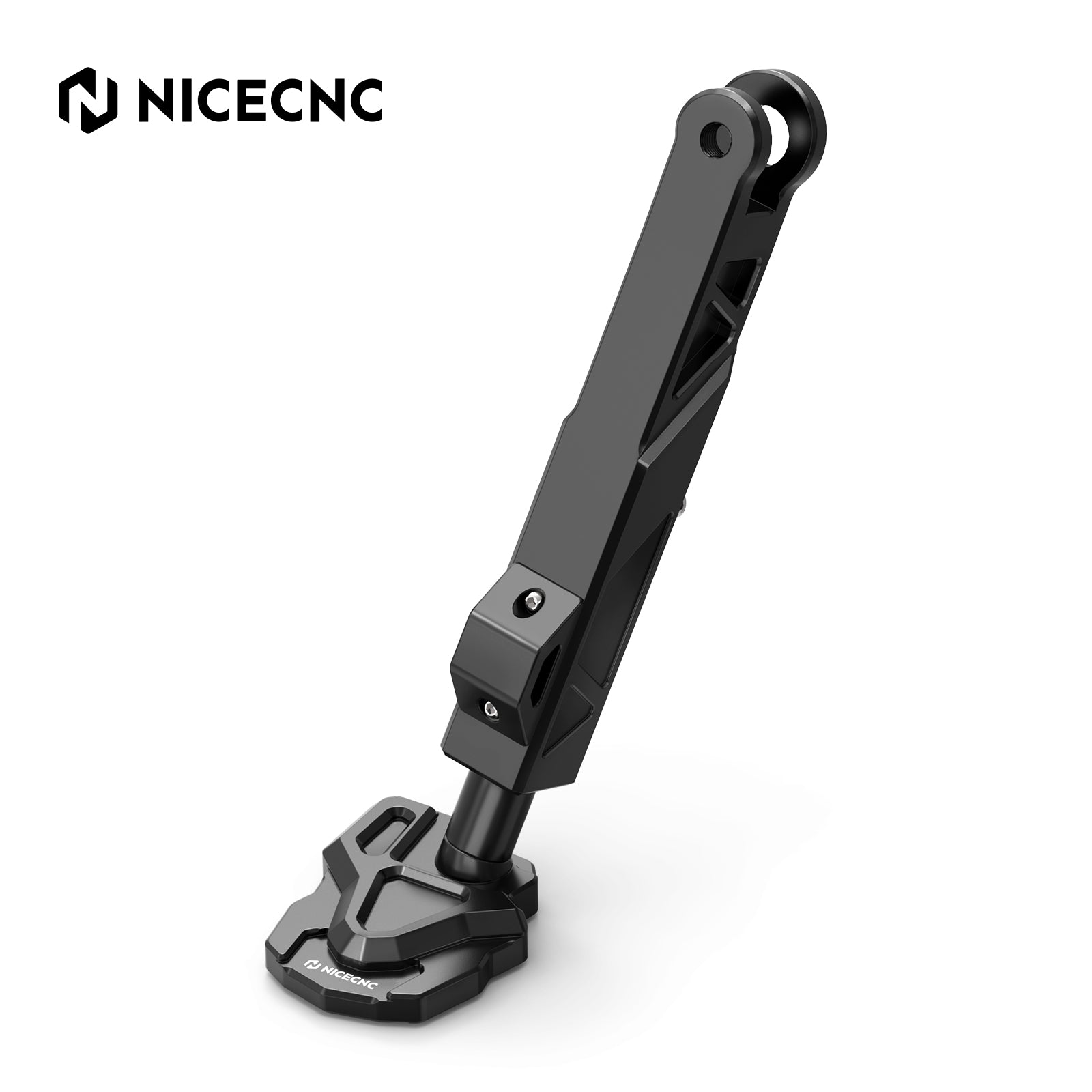
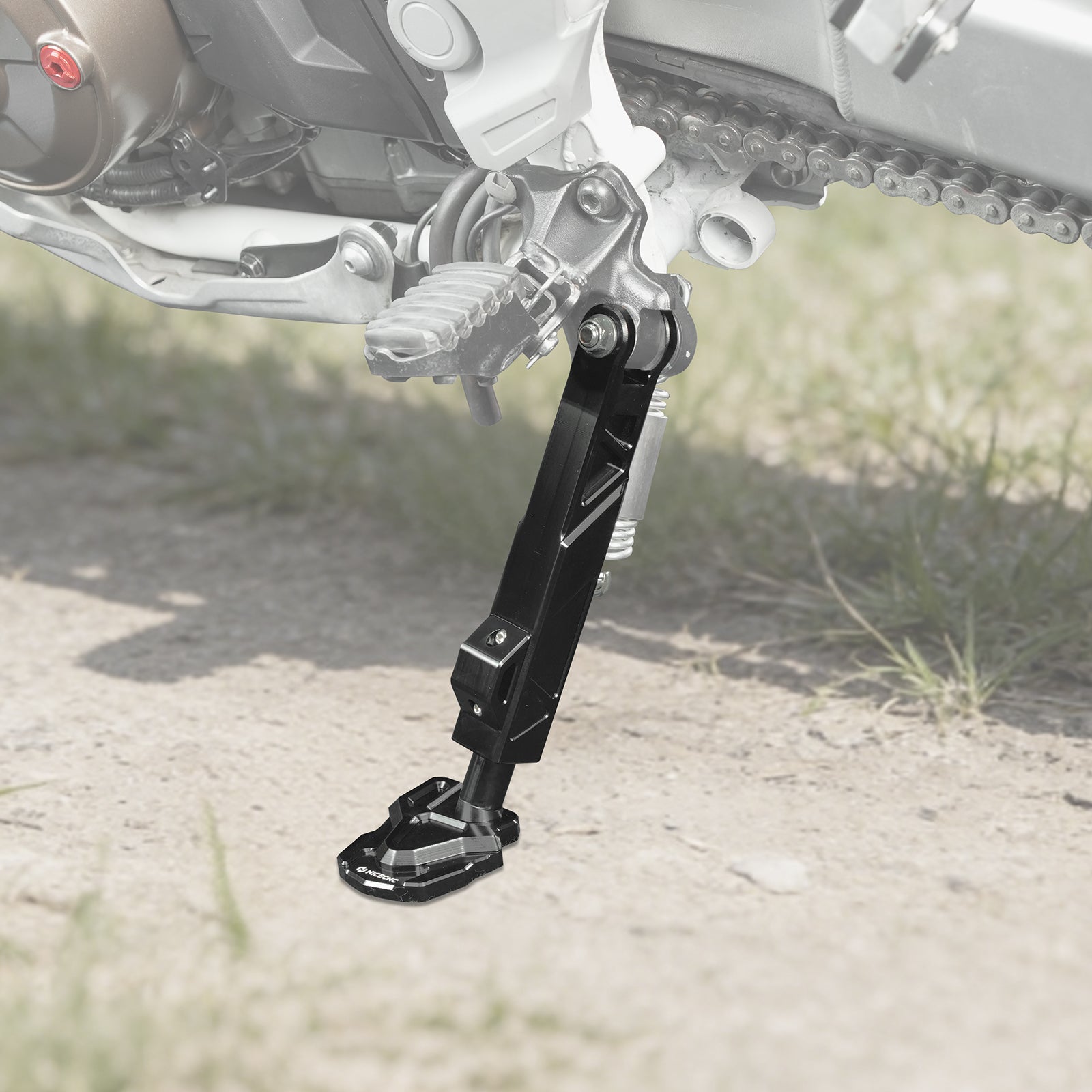
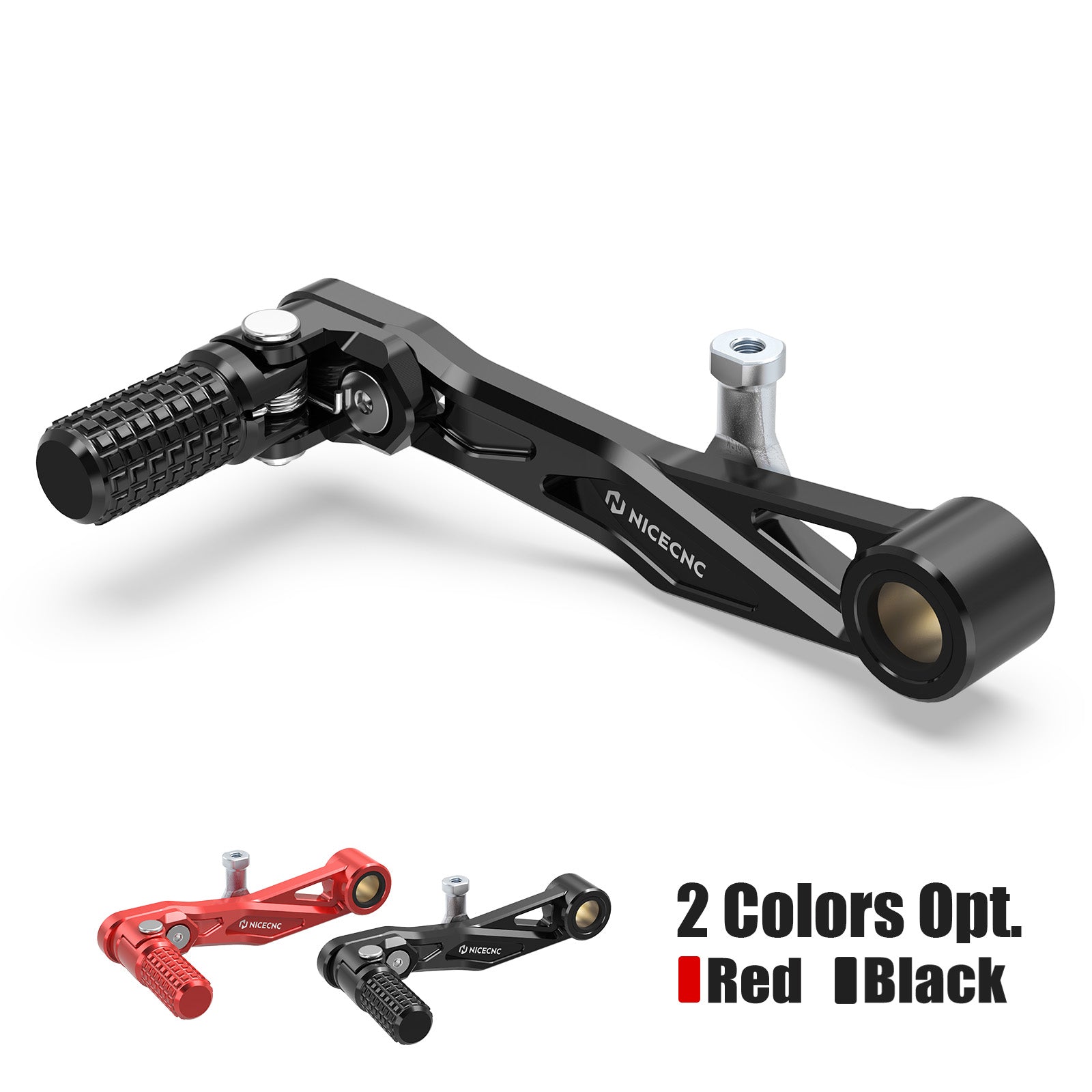
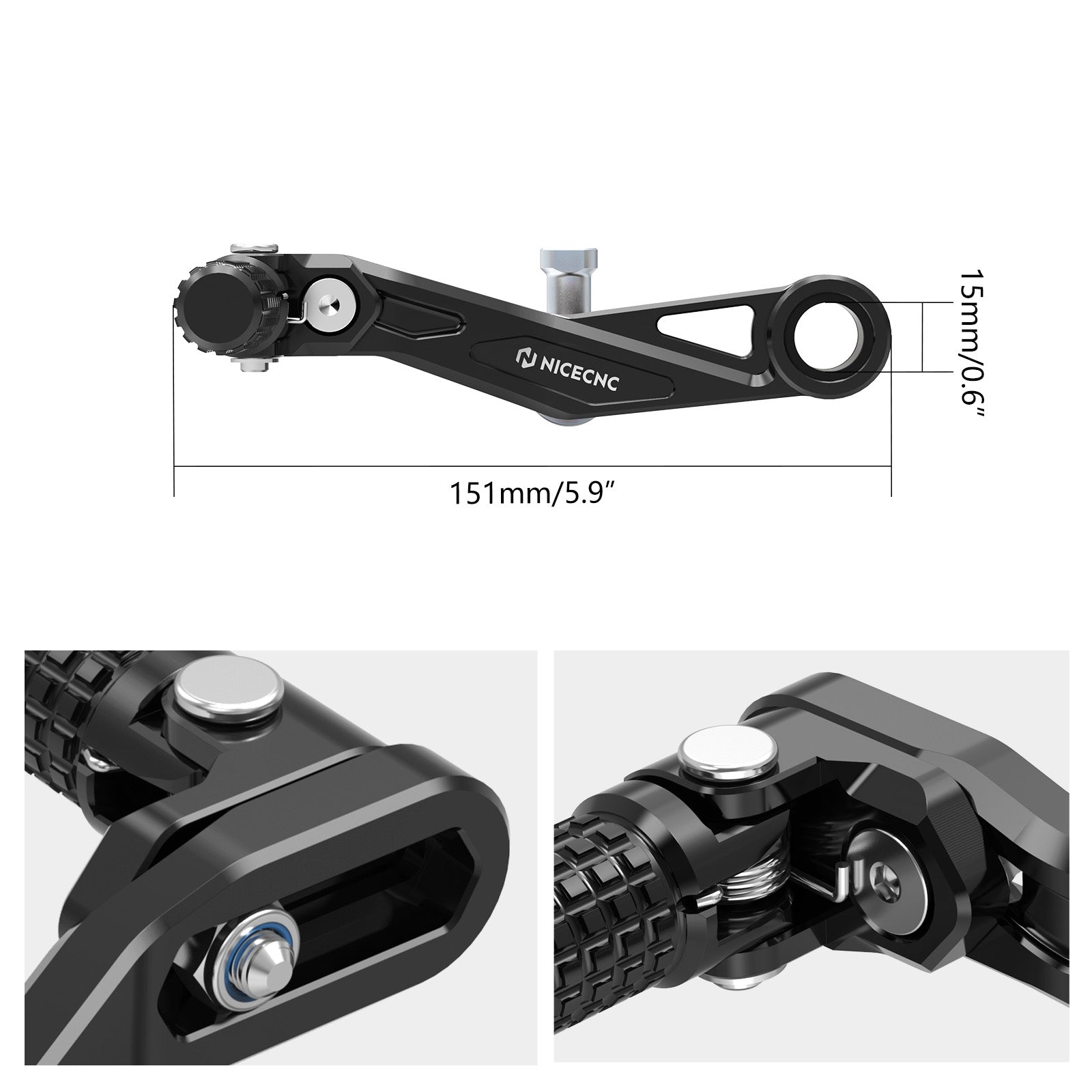
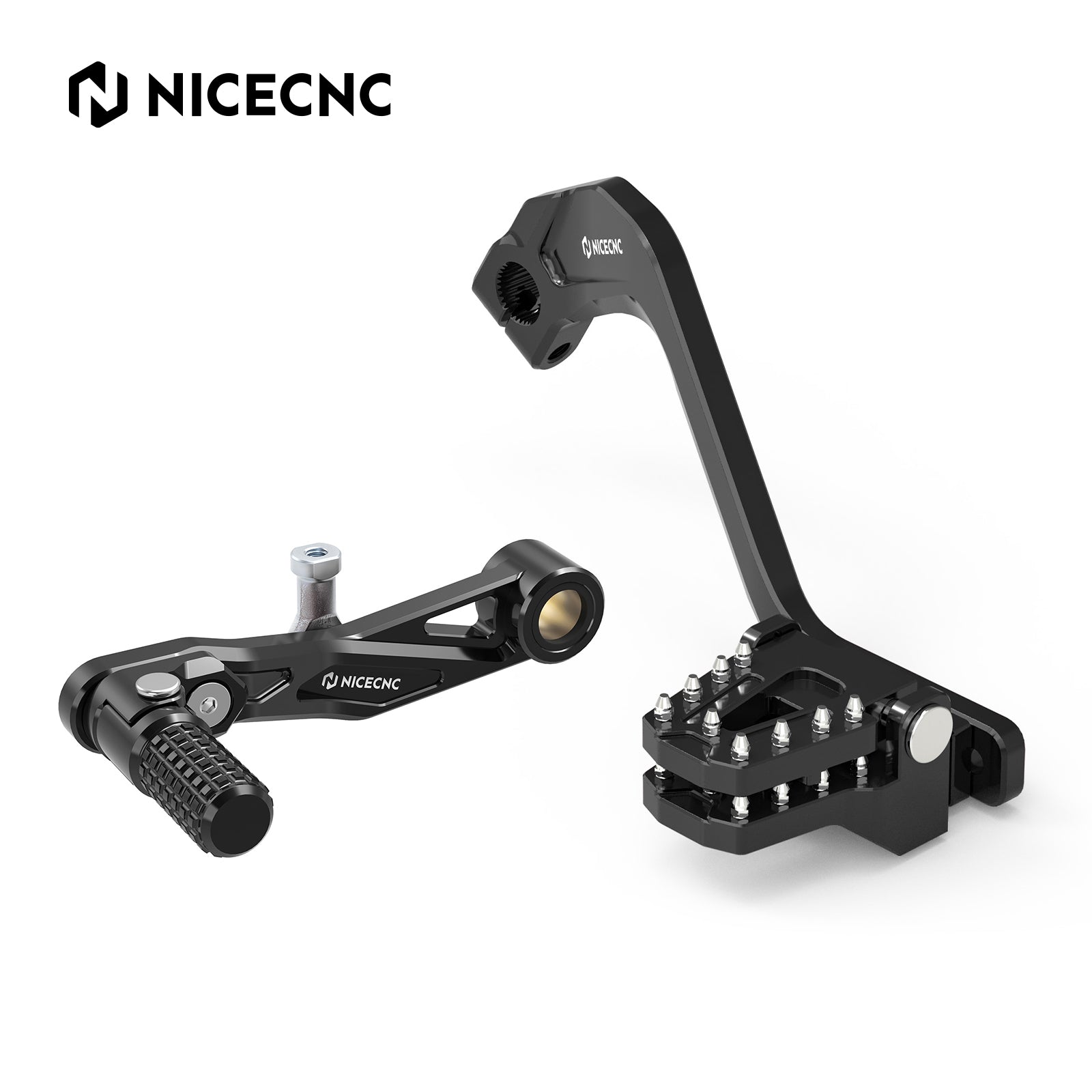
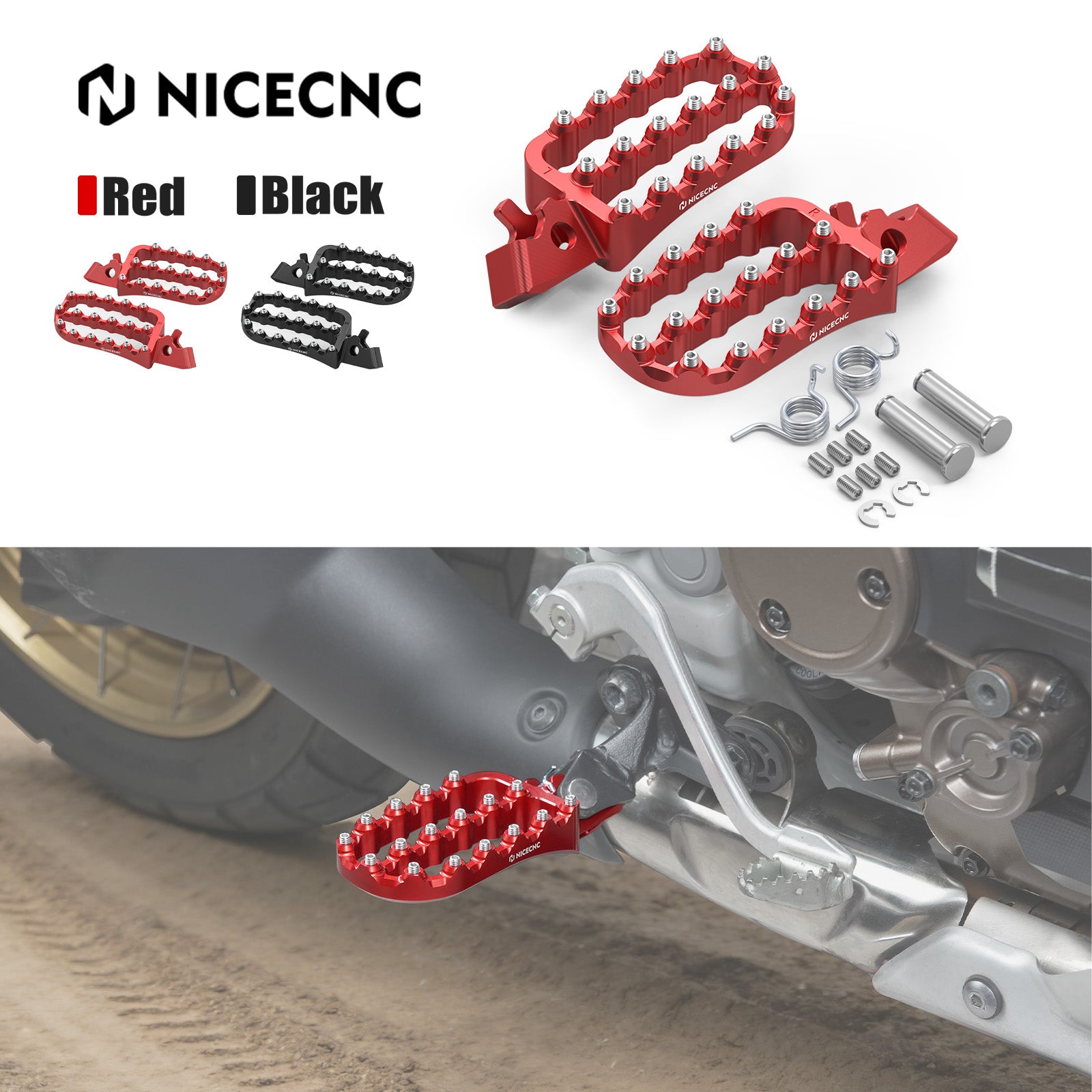
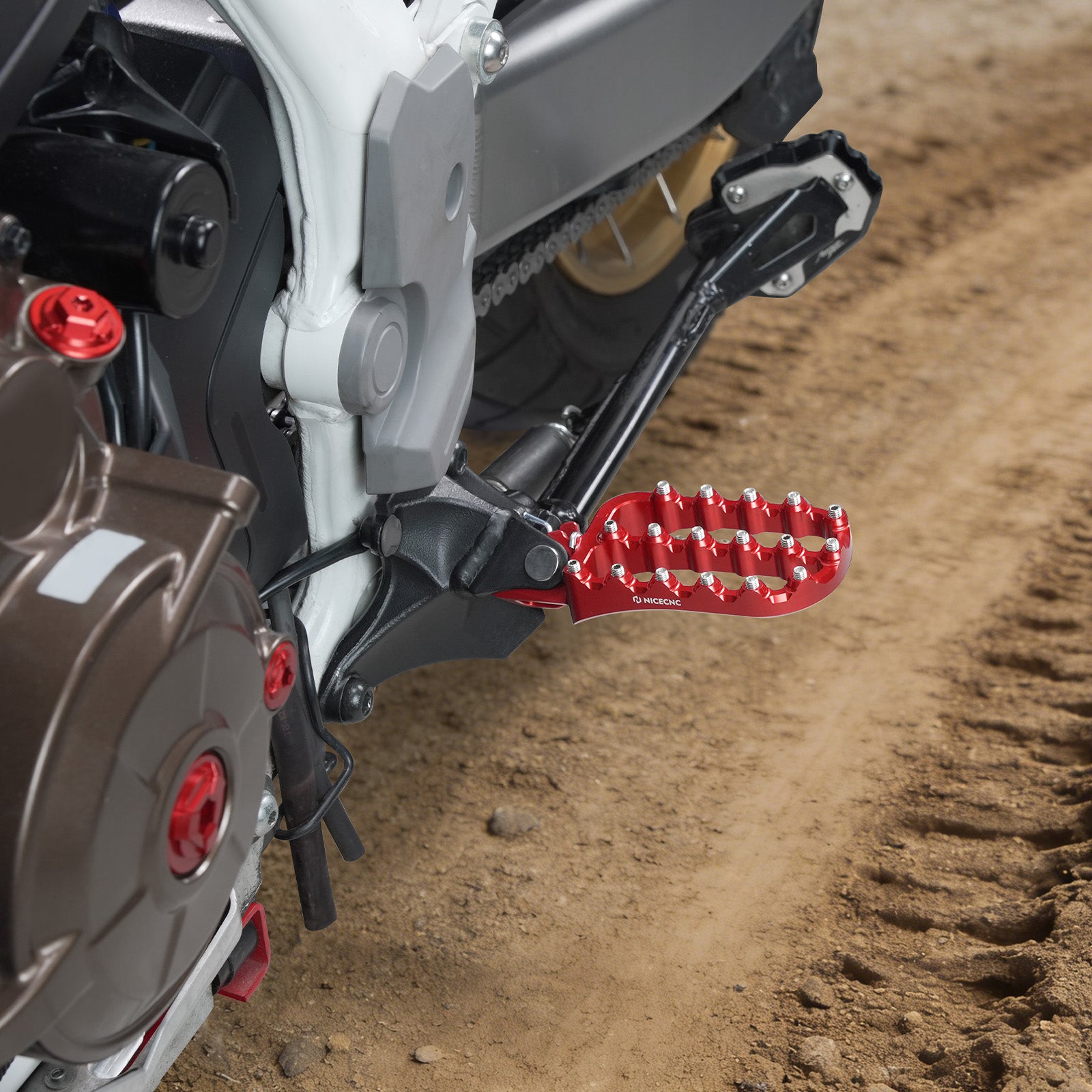
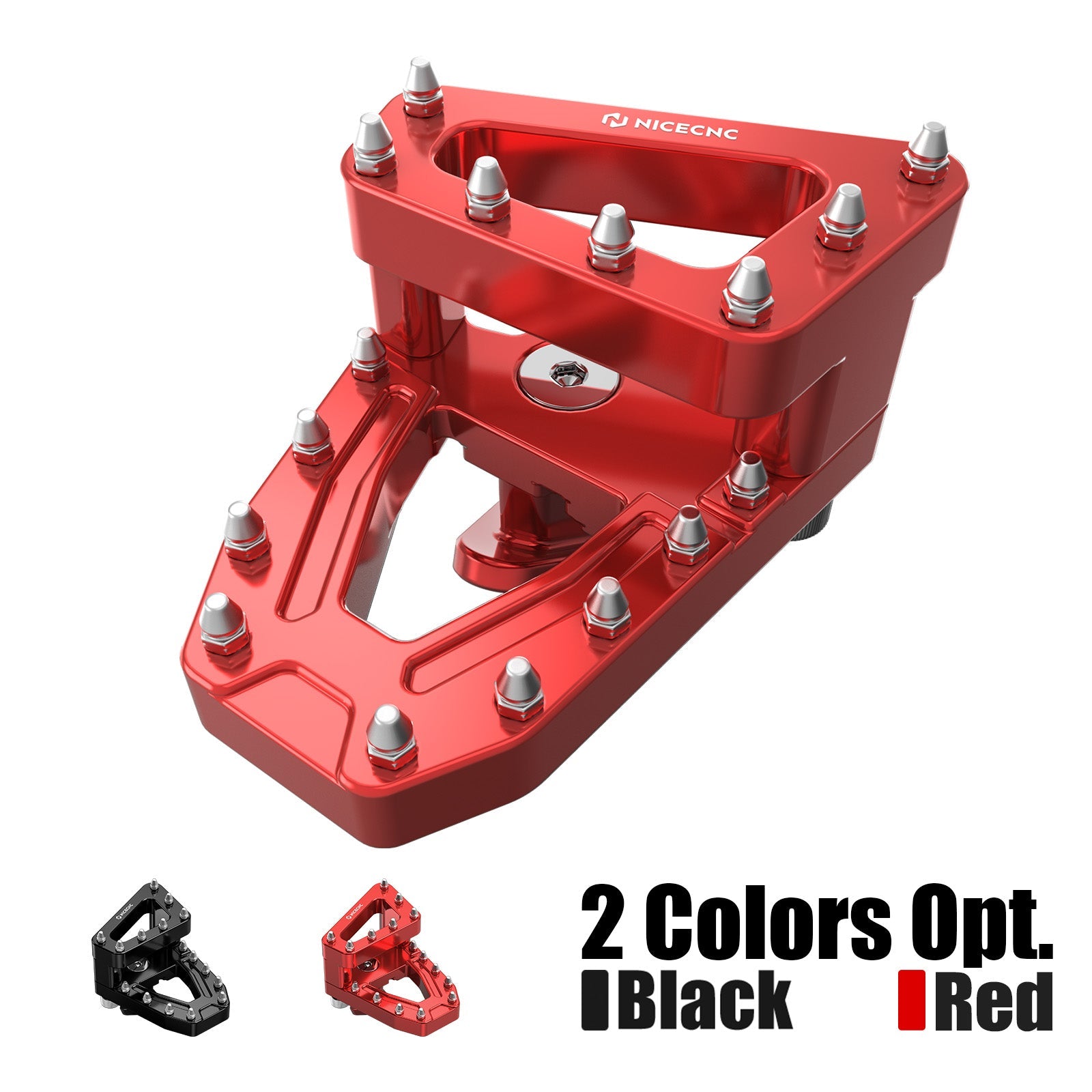
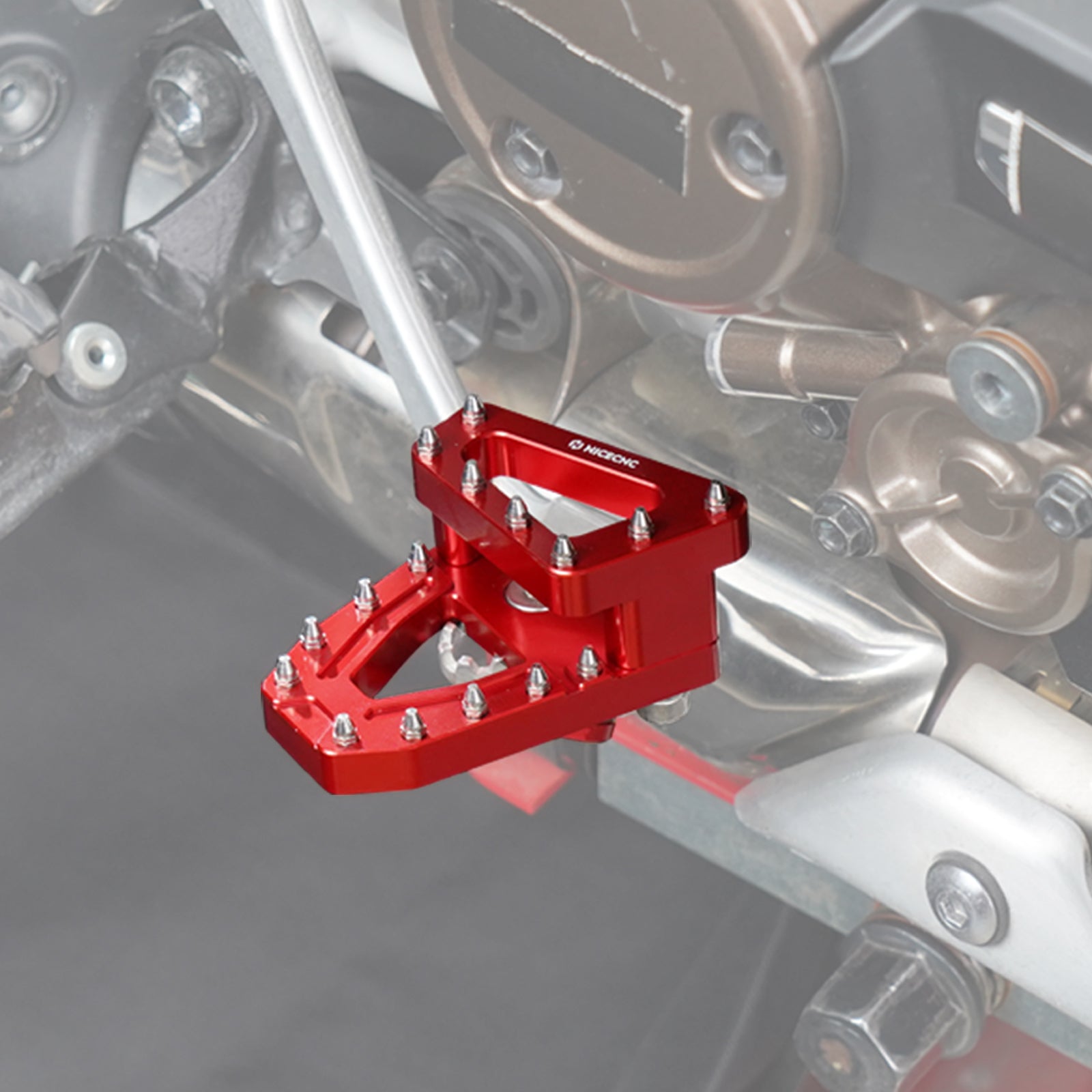
Foot pegs and a center stand regularly rank at the top of riders’ “must-do” lists, alongside crash protection. The stock foot pegs are often criticized as being too small for standing while riding off-road; wider alternatives, such as NICECNC’s enlarged foot pegs, address this exact problem.
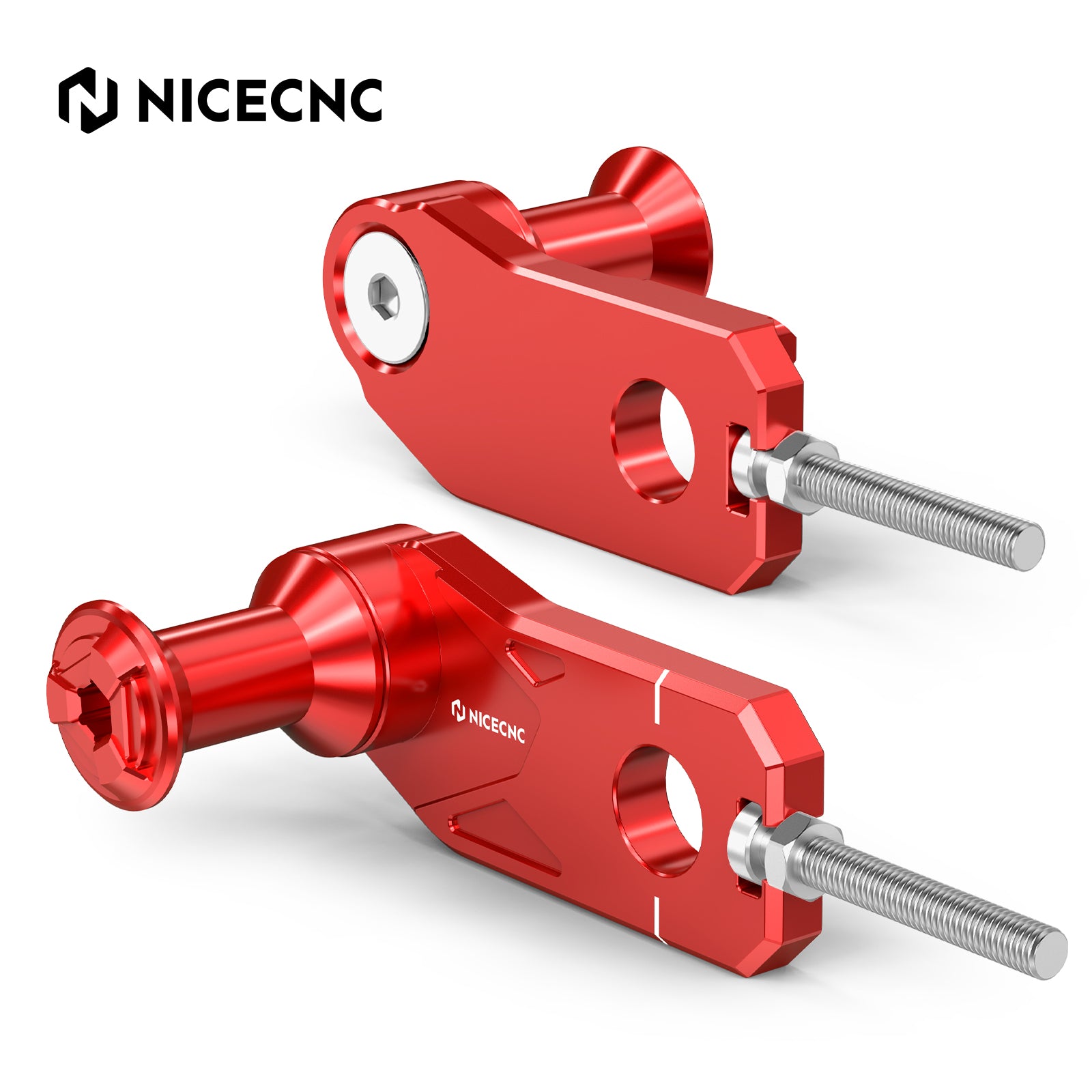
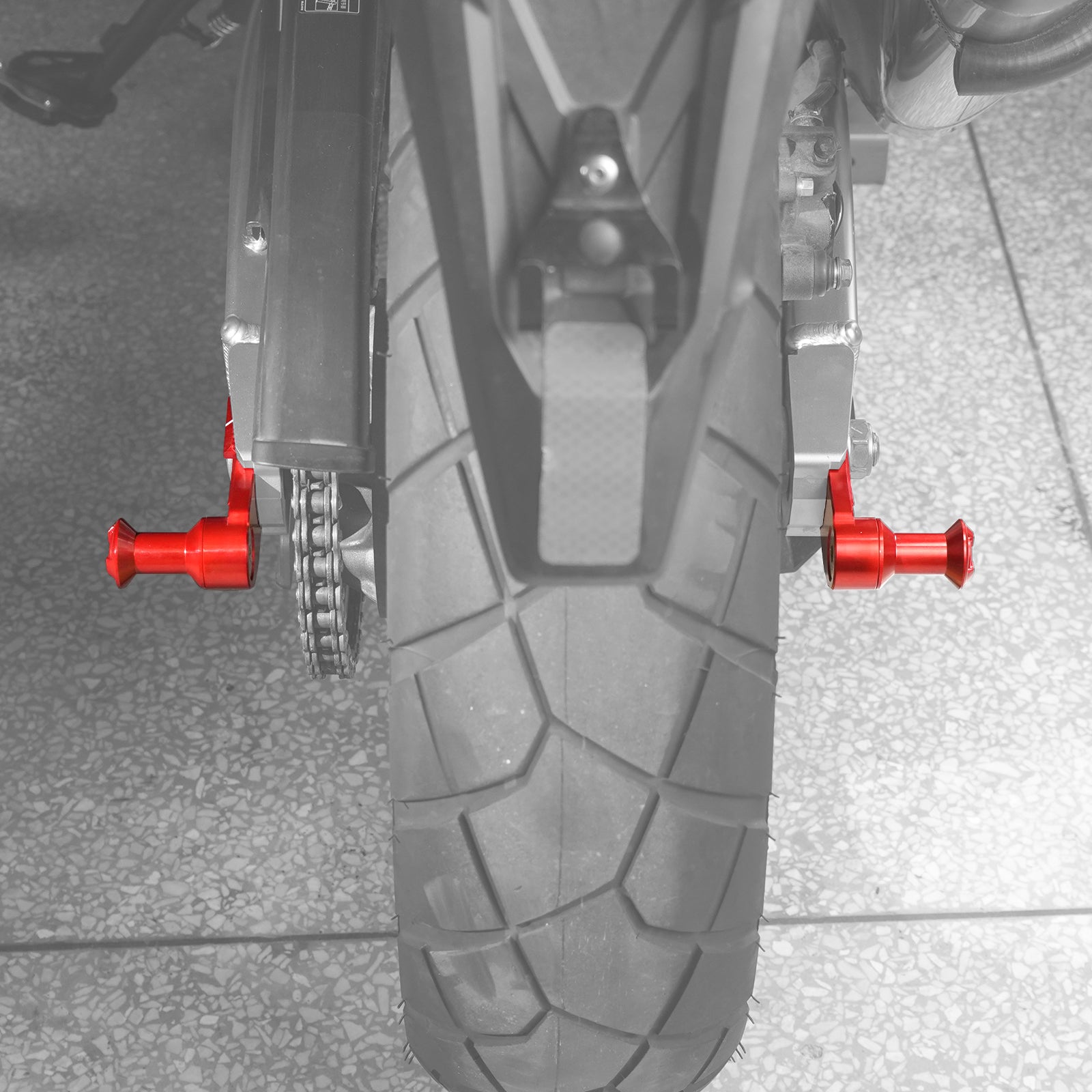
For chain cleaning, lubrication, or rear-wheel removal, a center stand makes the job much easier—without one, you have to improvise to lift the rear wheel. Many riders consider it almost indispensable, not merely a convenience.
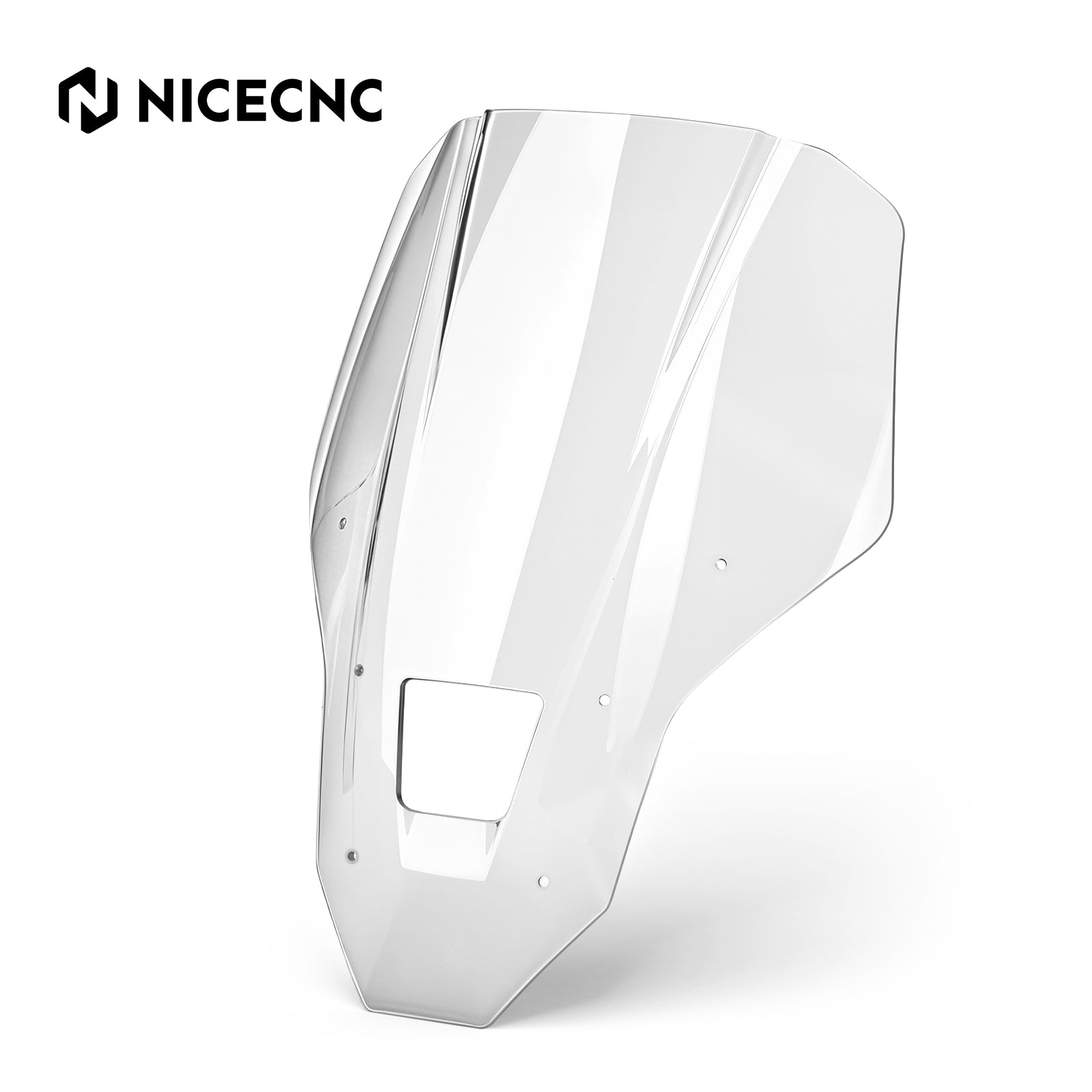
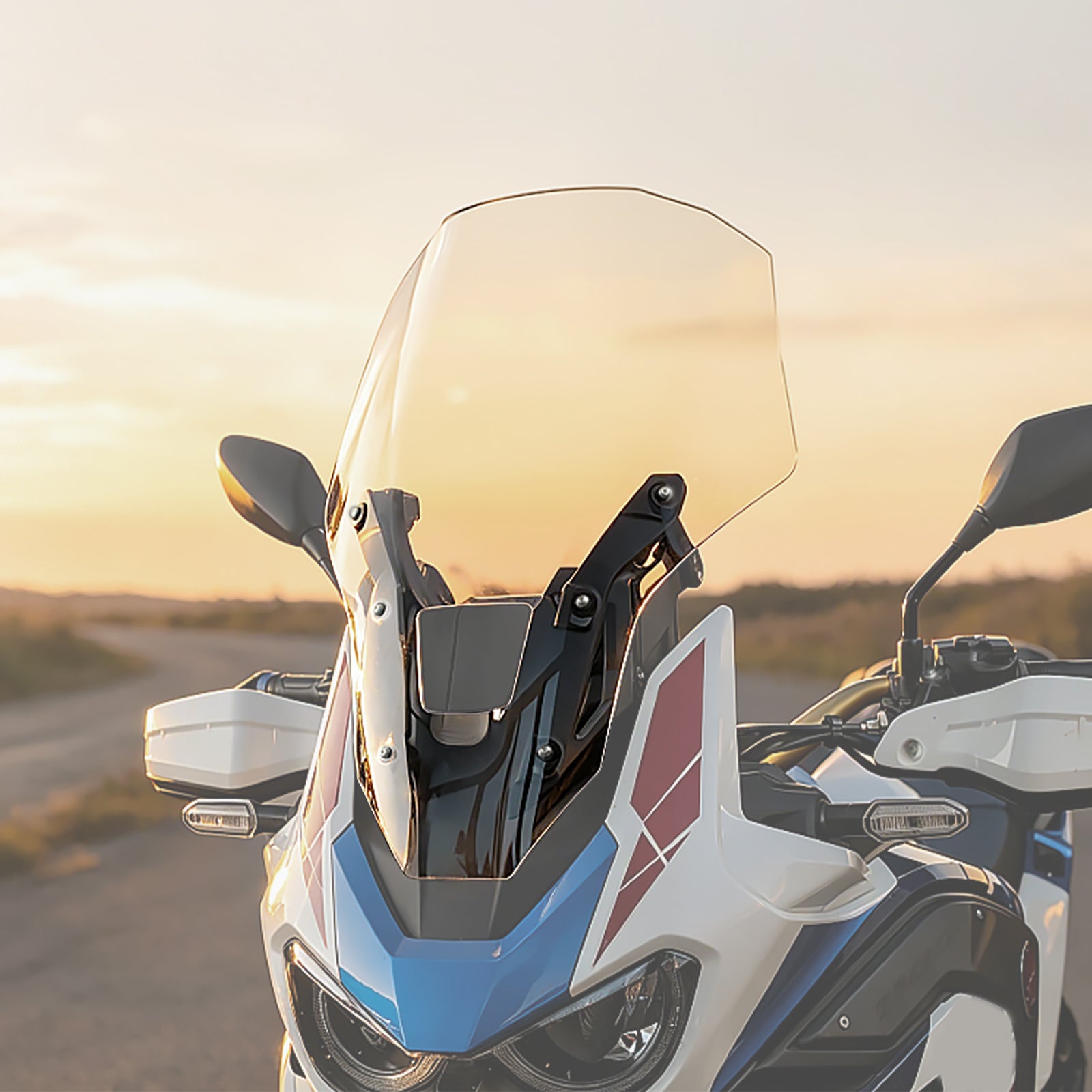
Yes, this is a common complaint among riders around 180 cm and taller—the stock windshield creates noticeable wind noise and turbulence at highway speeds. A taller windshield, such as the raised version from NICECNC, is often mentioned as a solution.
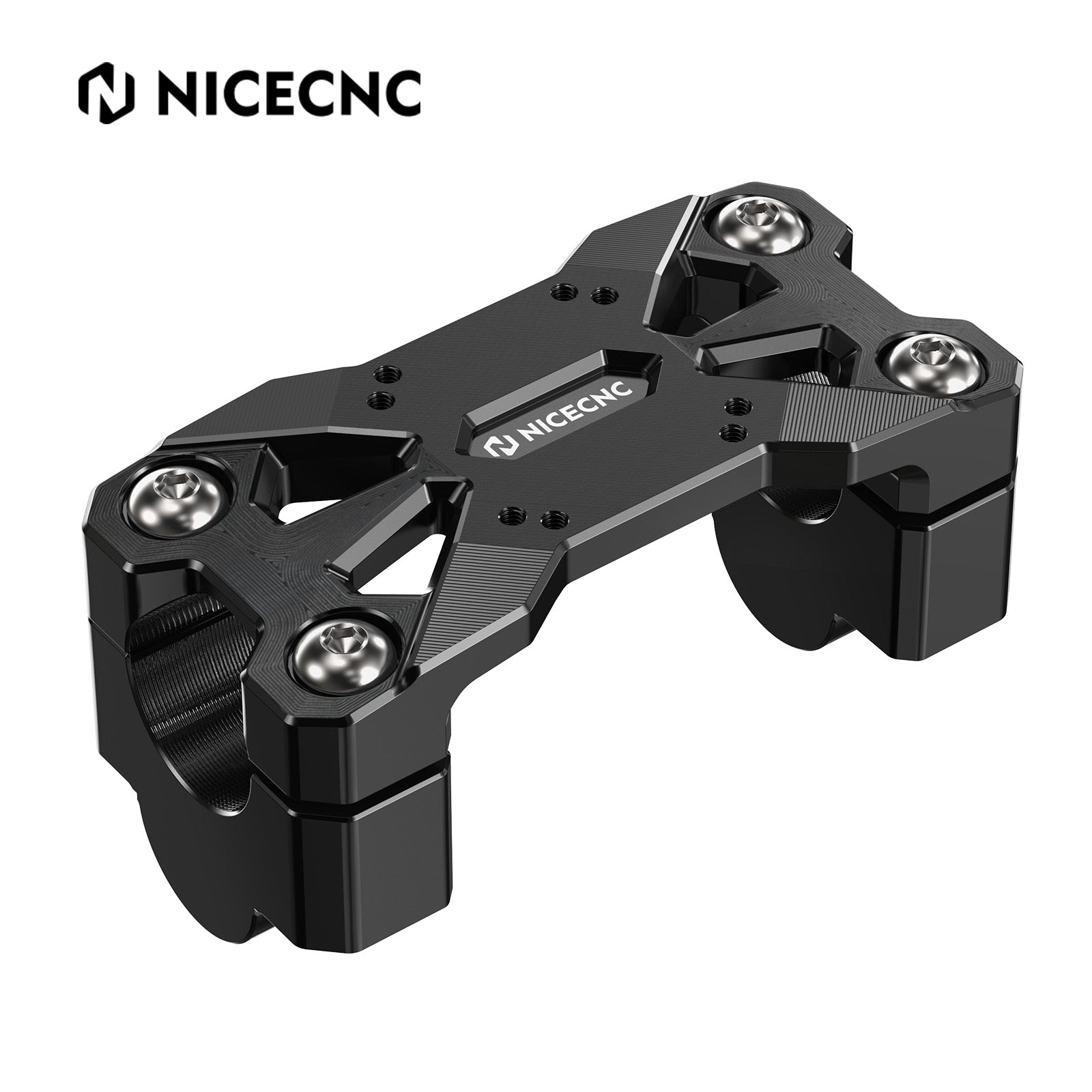
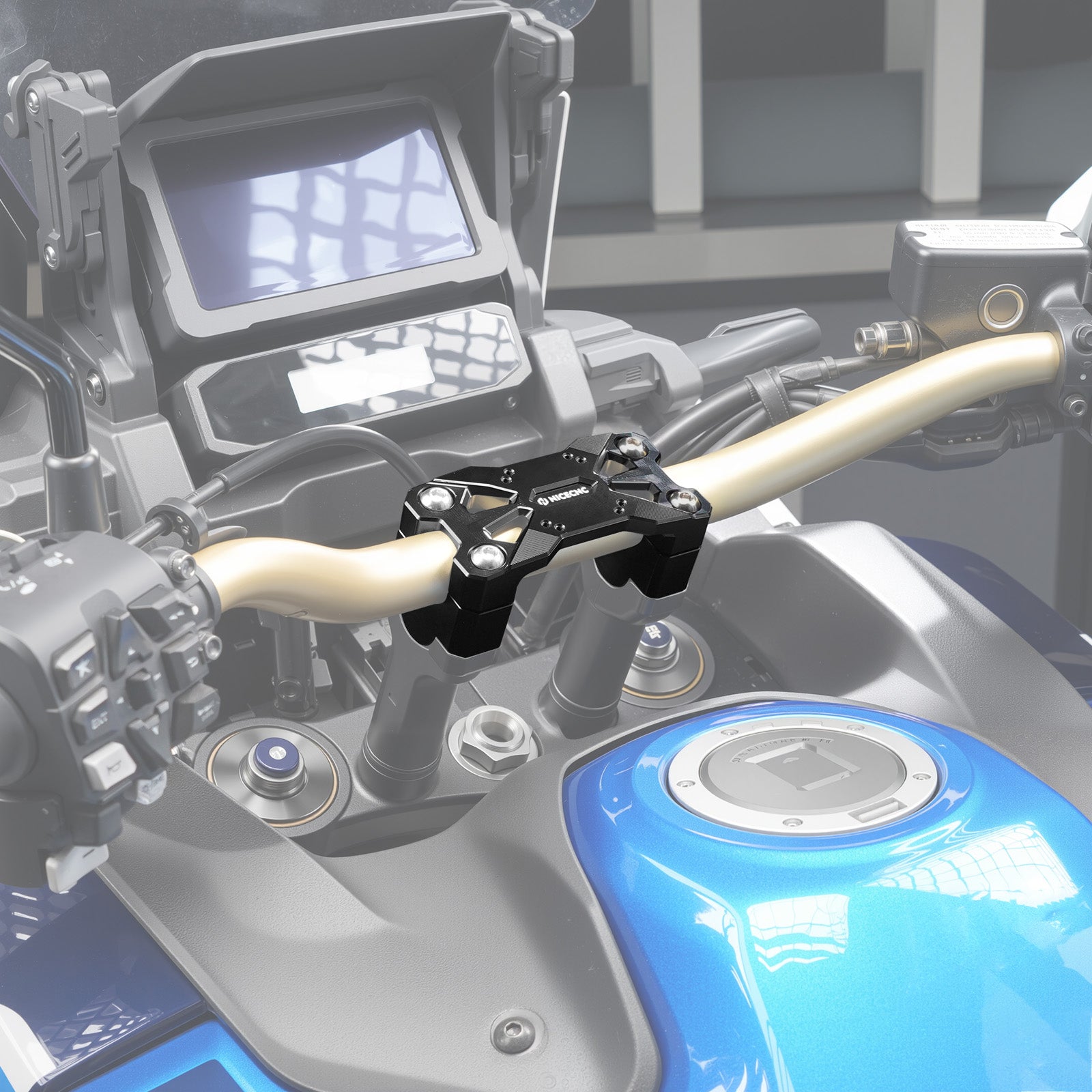
It depends on the riser height—some riders report that from around 30 mm of rise, the front brake line needs to be adjusted or the cables rerouted, especially on DCT models with additional wiring. Lower rises (20–25 mm) generally work without problems with the stock lines, according to user reports.
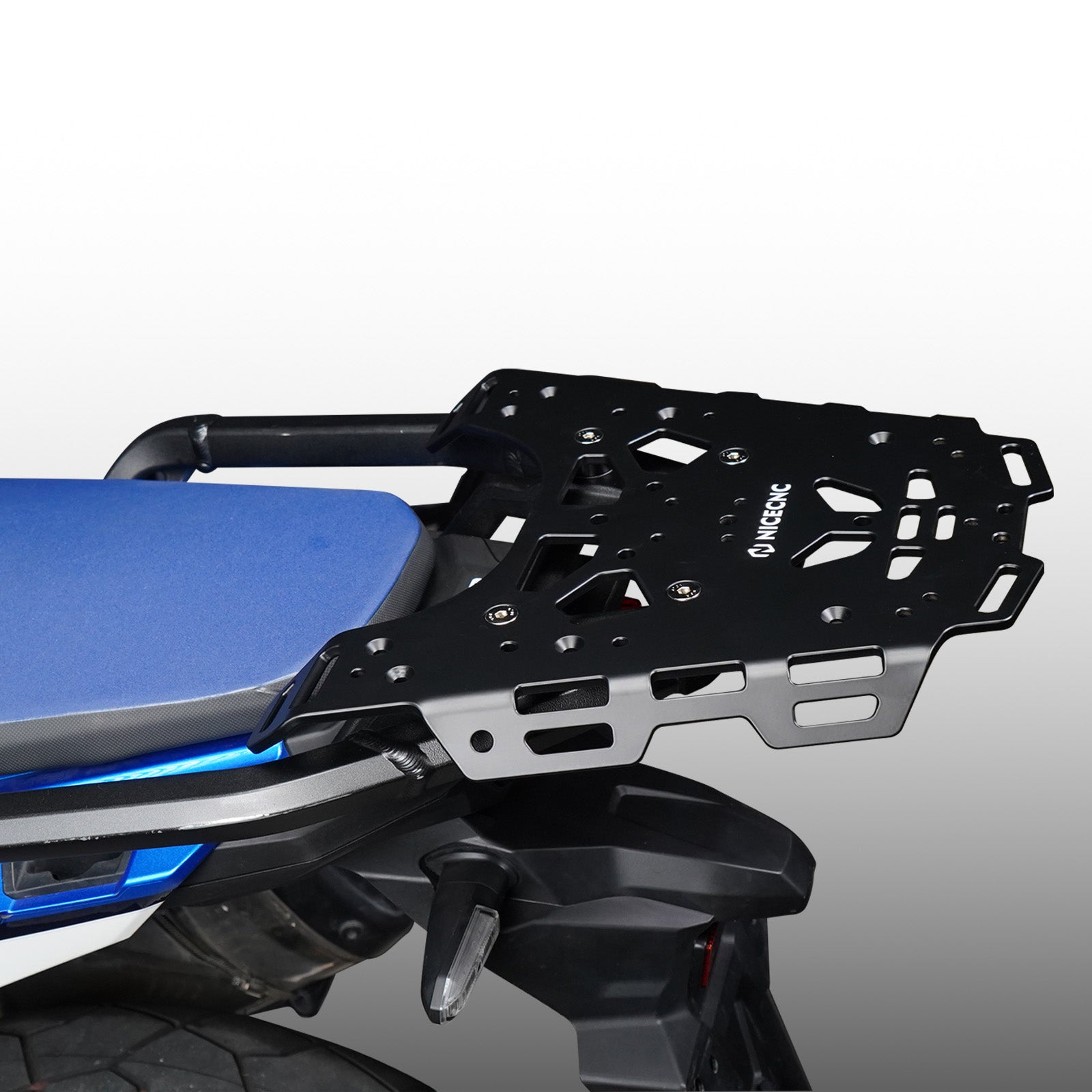
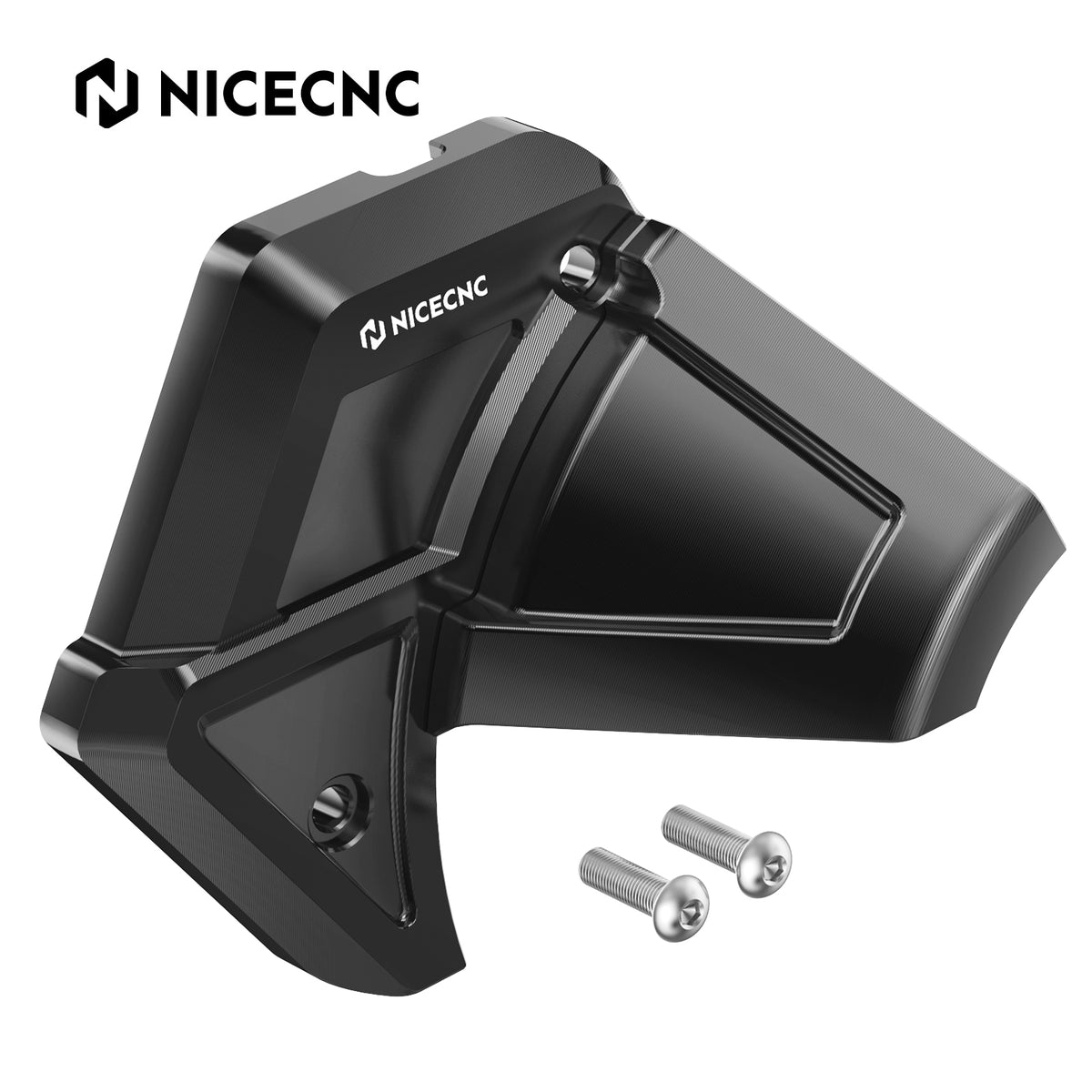
First, choose the parts that will really make a difference for your own use. If you travel a lot, start with ergonomics and luggage solutions. For frequent gravel or off-road rides, protective parts and better control are more important.
You don’t have to change everything at once. The key things to focus on first are your tires, riding technique, and good protection for sensitive areas. If you regularly ride standing up or plan to tackle more challenging routes, ergonomics and your standing position may also become more important.
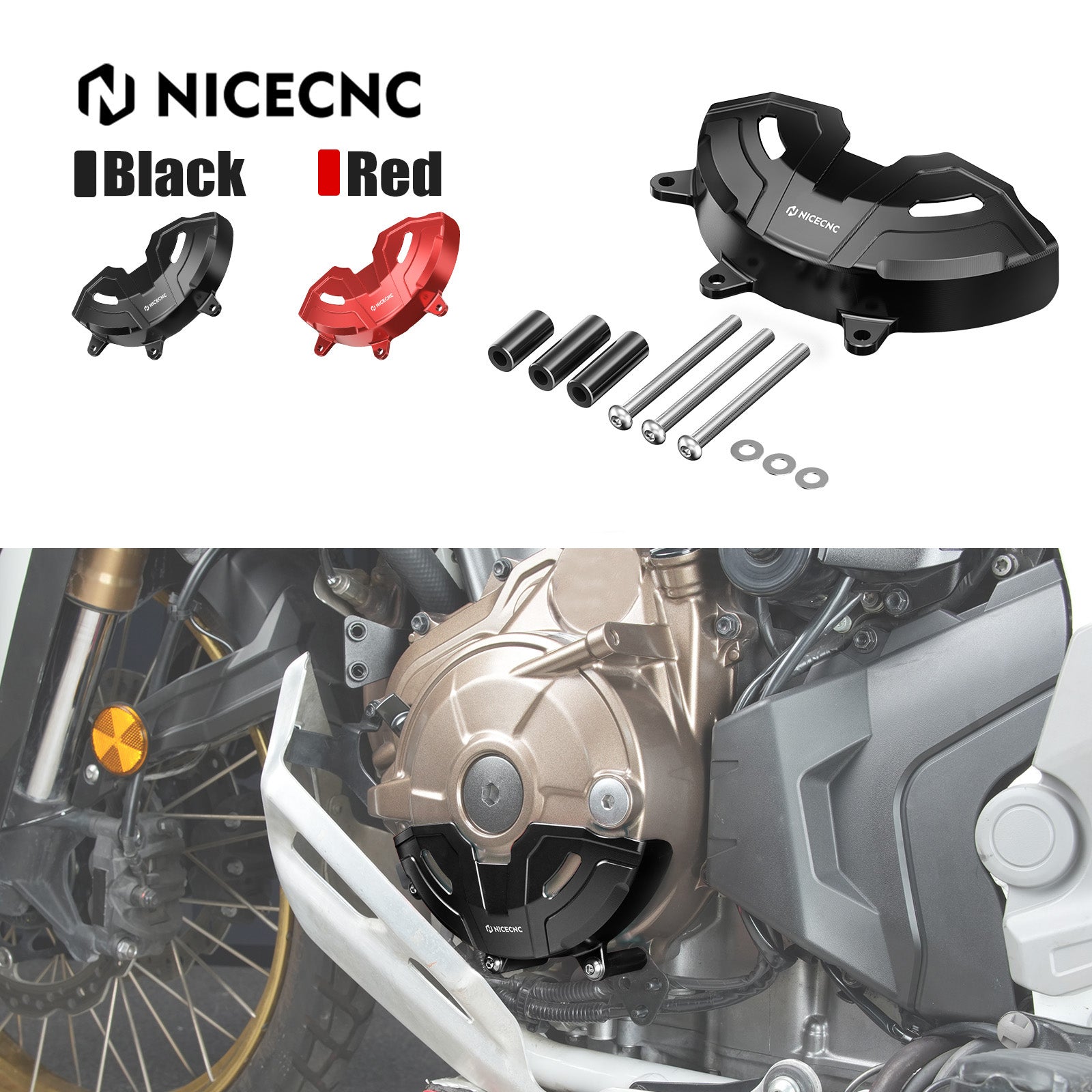
In addition to obvious damage, you should primarily inspect the handlebars, levers, footpegs, engine area, radiator, and other exposed components. Even if the motorcycle still rides normally, parts may be bent or fasteners may have loosened. After a harder impact, the motorcycle should be inspected more thoroughly.